Mastering Buttermilk Cornbread: From Soaking to Sizzling Perfection
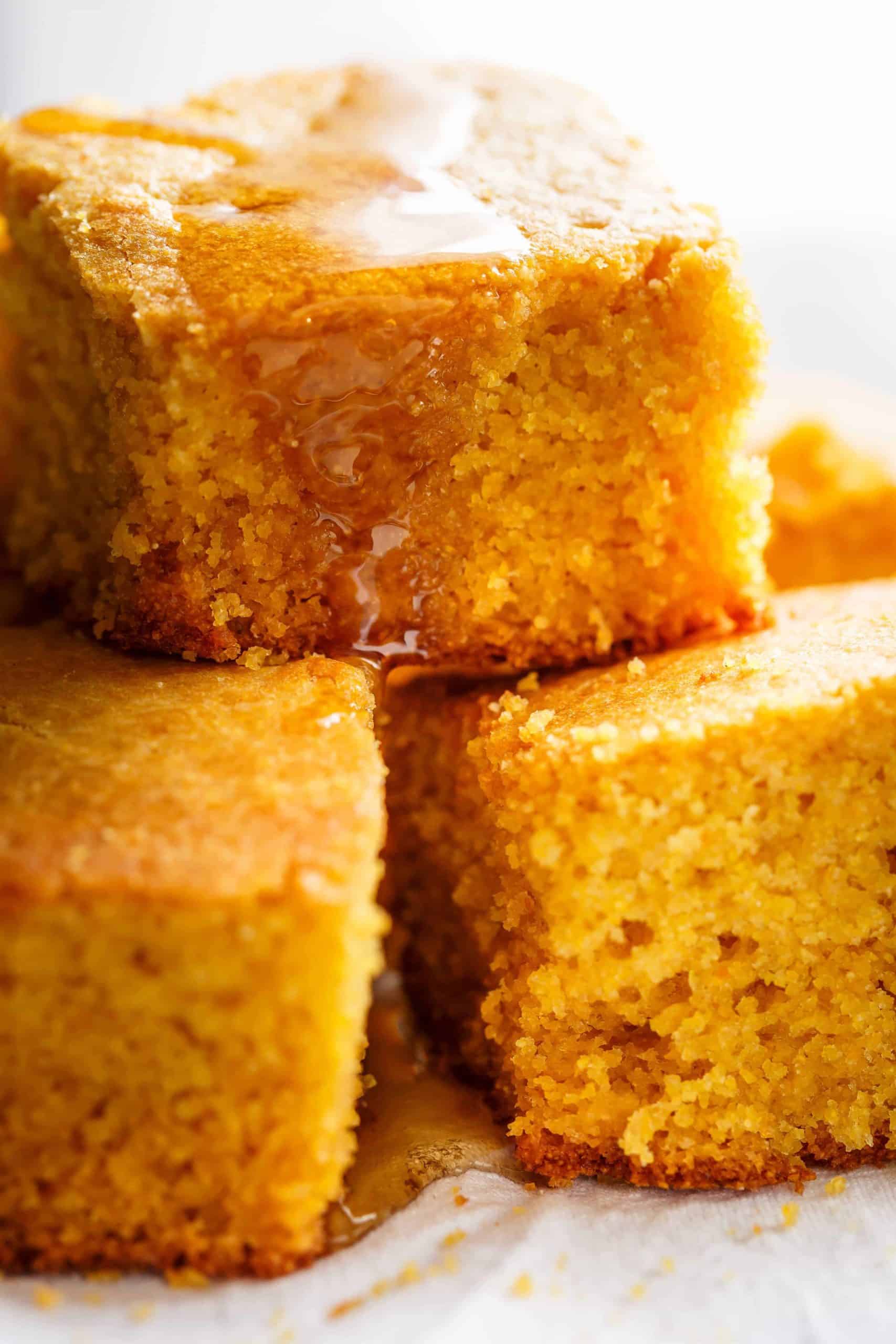
For many home cooks, the quest for truly perfect buttermilk cornbread has been a journey fraught with frustration. You envision a golden, crusty exterior giving way to a moist, tender, and deeply flavorful interior. Yet, often, the reality falls short: a dry, crumbly mess; a dense, cake-like brick; or worse, a gritty texture that clings unpleasantly to the palate. It's a common culinary conundrum, one that can make even seasoned bakers throw up their hands. But what if the secret to achieving that ethereal balance, that perfect
moist, tender, golden crust, lay not in a complex list of ingredients, but in a couple of deceptively simple, yet utterly transformative, techniques?
Indeed, the journey to mastering delicious buttermilk cornbread is less about chasing an elusive recipe and more about understanding fundamental principles. We’re talking about time-honored wisdom, passed down through generations, that elevates cornbread from a side dish to a star. This article will unveil those crucial techniques, delve into the "why" behind them, and equip you with the knowledge to consistently bake the kind of delicious buttermilk cornbread that earns rave reviews and permanent residency on your family's table.
The Game-Changing Secret: Hydration is King
The most common culprit behind dry, gritty, or crumbly cornbread is often overlooked: insufficient hydration of the cornmeal. Think about it – cornmeal is essentially dried, ground corn. Just like grains of rice or pasta, it needs time to absorb liquid to become tender and palatable. Rushing this process leads to the undesirable textures we all try to avoid.
This revelation, often attributed to grandmothers and seasoned Southern cooks, is astonishingly simple:
let the cornmeal soak in the buttermilk for at least 10 minutes before adding the rest of your ingredients. This isn't just a suggestion; it's a non-negotiable step that fundamentally alters the texture of your finished cornbread.
Why is this soak so powerful?
-
Eliminates Grittiness: When cornmeal doesn't fully hydrate, those tiny particles remain distinct and hard, creating that unpleasant sandy texture. Soaking allows them to soften and swell, integrating seamlessly into the batter.
-
Ensures Moisture: Properly hydrated cornmeal releases its moisture slowly and evenly during baking, contributing to a supremely moist interior that stays tender for longer.
-
Promotes a Tender Crumb: The softened cornmeal blends more harmoniously with the flour and other ingredients, resulting in a fine, delicate crumb that melts in your mouth rather than falling apart.
This simple pause in the baking process is what transforms cornbread from a gamble into a guarantee. Even if you're in a rush, a mere 5 minutes of soaking is far better than skipping it entirely. For more on this fundamental secret, you might find
Grandma's Secret: Moist Buttermilk Cornbread, No More Gritty Texture an insightful read.
The Sizzling Start: Your Key to a Legendary Crust
Beyond the internal texture, the crust of your cornbread plays an equally vital role in its deliciousness. That coveted golden-brown, slightly crunchy, buttery crust is a hallmark of truly exceptional cornbread. And the secret to achieving it every single time lies in another remarkably simple technique:
the sizzling skillet.
Pouring your batter into a preheated, generously buttered (or oiled) cast-iron skillet, straight from the hot oven, is a revelation. The moment the batter hits that scorching fat, it begins to cook instantly, forming a beautiful, crackly crust that's infused with rich flavor.
Here’s why this sizzling start is indispensable:
-
Unbeatable Texture: The immediate high heat from the skillet creates an irresistible, perfectly browned bottom and side crust that's both crunchy and buttery. This texture contrast is a signature of authentic Southern cornbread.
-
Non-Stick Guarantee: When the skillet is properly preheated and greased, the batter cooks on contact, preventing it from sticking. This ensures your beautiful loaf releases easily, intact and ready to serve.
-
Even Cooking: The initial heat from the skillet jumpstarts the cooking from the bottom up, helping the cornbread cook more evenly throughout and contributing to a uniform rise.
Do not skip this step! The sound of the batter sizzling as it hits the hot fat is the sweet symphony of deliciousness in the making.
Pro Tips & Ingredient Insights for Your Masterpiece
While the soak and the sizzle are the titans of cornbread technique, a few other crucial details can elevate your creation from merely good to truly great. These are the nuances that seasoned bakers instinctively understand.
Embrace Room Temperature Ingredients
Just like with cakes and other baked goods, allowing your buttermilk and eggs to come to room temperature is surprisingly important for cornbread. Cold ingredients are more resistant to mixing evenly with other components, especially melted butter. When everything is at a similar temperature, the batter emulsifies better, leading to a smoother consistency and a more uniform, tender crumb in the finished product. Plan ahead: take them out of the fridge at least 30 minutes before you start mixing.
The Power of Full-Fat Buttermilk
When it comes to buttermilk, don't skimp. Full-fat buttermilk is non-negotiable for the richest flavor and most tender texture. Its higher fat content contributes to moisture and richness, while its acidity plays a crucial role. The lactic acid in buttermilk reacts with the baking soda in the recipe, creating carbon dioxide bubbles that provide the perfect lift and a light, airy texture without the need for excessive mixing. This acidic reaction is key to achieving that characteristic tender, yet sturdy, crumb.
Choosing Your Cornmeal: Medium Grind for the Win
The type of cornmeal you choose significantly impacts texture. While fine-grind can sometimes yield a more cake-like result and coarse-grind can be overly rustic (and potentially gritty if not soaked sufficiently), a medium-grind cornmeal strikes the perfect balance. It provides that classic, hearty corn texture without being harsh or too delicate, allowing the soaking technique to truly shine.
Resist the Urge to Overmix
This is a common pitfall. Many home bakers, accustomed to vigorously mixing cake batters, treat cornbread batter the same way. Big mistake! Overmixing develops the gluten in the all-purpose flour, leading to a dense, tough, and chewy cornbread. The goal here is a tender crumb, not a bread-like chew. The moment you no longer see streaks of dry flour, put your spatula down. A few lumps are perfectly normal and actually desirable – they indicate you haven't overmixed!
A Hint of Sweetness: The Perfect Balance
While some prefer their cornbread strictly savory, a subtle hint of sweetness, as often found in traditional Southern recipes, beautifully balances the rich, earthy flavor of the corn. It creates a more complex and inviting taste profile, making your
delicious buttermilk cornbread incredibly versatile – perfect for slathering with butter and honey, or serving alongside hearty stews and chili.
Beyond the Basics: Embracing Variations
Once you've mastered the foundational techniques, the world of buttermilk cornbread variations opens up. Consider adding:
-
Cheese: Shredded cheddar, Monterey Jack, or even a spicy pepper jack can be folded into the batter for a savory kick.
-
Jalapeños: Diced fresh or pickled jalapeños (deseeded for less heat) add a wonderful zing. Pair them with cheese for a classic combination.
-
Herbs: Fresh chives, rosemary, or thyme can infuse your cornbread with aromatic complexity.
-
Creamed Corn: For an extra-moist and slightly sweeter cornbread, a can of creamed corn can be a delightful addition, though you might need to adjust the liquid slightly.
These variations allow you to customize your delicious buttermilk cornbread to suit any meal or preference, always built on the foundation of a perfectly moist and tender base.
Conclusion: Your New Cornbread Legacy
The quest for the perfect buttermilk cornbread can finally end here. By embracing the critical step of soaking your cornmeal, leveraging the power of a sizzling cast-iron skillet, and understanding a few key ingredient insights and mixing techniques, you're not just following a recipe – you're mastering an art form. Say goodbye to dry, crumbly, or gritty cornbread and hello to a consistently moist, tender, and truly delicious buttermilk cornbread with a glorious golden crust. These methods will transform your baking, turning a once-frustrating endeavor into a source of culinary pride. So, preheat your oven, grab your buttermilk, and get ready to bake a batch of cornbread that will become your new go-to legend.