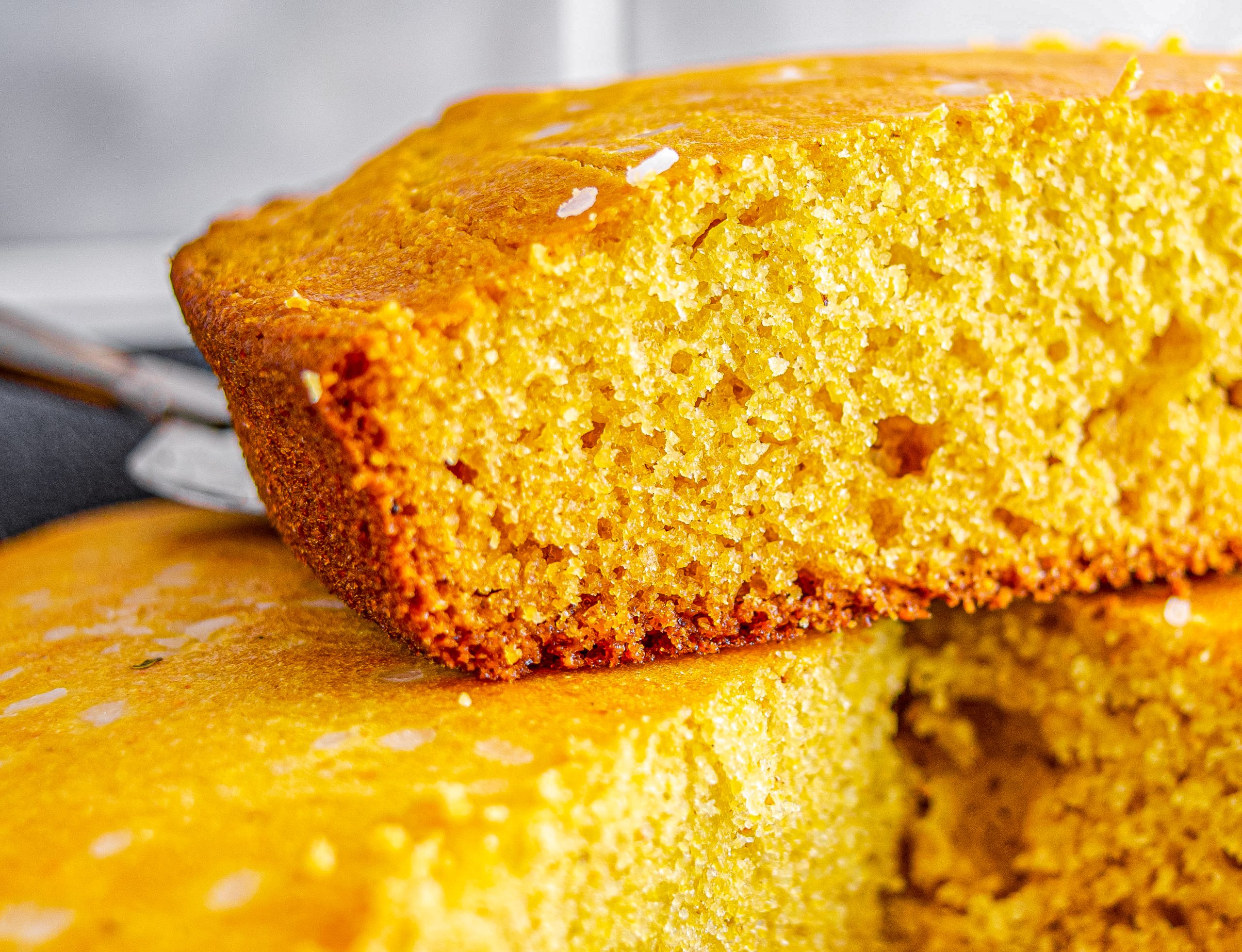
Grandma's Secret: Unlocking the Ultimate Moist Buttermilk Cornbread, No More Gritty Texture
For years, the quest for truly perfect buttermilk cornbread felt like an elusive culinary ghost. Many home bakers, myself included, have chased countless recipes, only to be met with disappointment – a crumbly, dry mess, or a dense, cake-like brick. The memory of presenting a cornbread that practically disintegrated on the plate is a familiar, if slightly embarrassing, one. But imagine a different scenario: a golden, crackly crust giving way to an incredibly moist, tender, and flavorful interior. This isn't just a dream; it's the reality brought forth by a simple, yet profound, technique passed down through generations. This is Grandma's secret, and it will revolutionize your baking, leaving you with delicious buttermilk cornbread that pairs flawlessly with everything from a hearty chili to
the easiest best ribs you will ever make.
The secret to transforming good cornbread into legendary cornbread isn't found in a magic ingredient, but in a crucial, often overlooked, step: **the cornmeal soak**. This simple pause in the baking process is the single most important detail to eliminate that dreaded gritty texture and guarantee a supremely moist crumb every single time. It’s a game-changer that makes all the difference, moving your cornbread from a culinary challenge to a triumphant staple.
Unlocking the Secret to Superior Buttermilk Cornbread: Grandma's Wisdom
My grandmother, a true maestro of Southern cooking, didn't hand me a new recipe, but a technique – a technique that proved to be a revelation. Her wisdom was deceptively simple: let the cornmeal soak in the buttermilk for at least 10 minutes before introducing any other ingredients. This isn't just a suggestion; it's the cornerstone of achieving that coveted moist, tender, and utterly non-gritty texture.
Why is this soak so powerful? The answer lies in hydration. Cornmeal, particularly medium-grind varieties, needs time to fully absorb liquid. When you rush the process, the cornmeal granules remain somewhat dry, leading to that unpleasant grainy or gritty sensation in your finished product. By allowing it to soak in the buttermilk, the cornmeal fully hydrates, swelling and softening. This pre-hydration ensures that the cornmeal integrates seamlessly into the batter, resulting in a consistently smooth, tender crumb that melts in your mouth rather than feeling like fine sand. It's the ultimate defense against dry, crumbly cornbread and the undisputed path to truly delicious buttermilk cornbread. While 10 minutes is ideal, even 5 minutes will yield significantly better results than no soak at all.
The Foundation of Flavor: Essential Ingredients for the Easiest Best Buttermilk Cornbread
While technique is paramount, the quality and preparation of your ingredients are the supporting cast that elevates your cornbread to an art form. Each component plays a vital role in creating the perfect balance of savory, slightly sweet, and utterly tender.
*
Full-Fat Buttermilk: This is non-negotiable for the richest flavor and most tender texture. The acidity of buttermilk reacts beautifully with the baking soda, creating tiny air pockets that contribute to a light, airy, and moist crumb. It also lends a characteristic tangy depth that sets buttermilk cornbread apart. If you absolutely can't find full-fat, a good quality low-fat buttermilk or even making your own (milk + a tablespoon of lemon juice or vinegar, let sit for 5-10 minutes) can work in a pinch, but the richness won't be quite the same.
*
Medium-Grind Cornmeal: The choice of cornmeal significantly impacts texture. Medium-grind offers that classic, hearty texture without being overly coarse or gritty. Avoid fine-grind cornmeal if you want traditional cornbread, as it can result in a more cake-like consistency. Conversely, overly coarse cornmeal might still retain some grittiness even after soaking.
*
Room Temperature Eggs and Buttermilk: This might seem like a minor detail, but it’s crucial for proper emulsification. Cold ingredients straight from the fridge can cause melted butter to seize up, leading to a lumpy batter and an unevenly cooked final product. Allowing your eggs and buttermilk to come to room temperature ensures they blend smoothly and uniformly, contributing to a consistently tender and delicious buttermilk cornbread.
*
Unsalted Butter: Melted butter not only adds incredible richness and flavor but also contributes to the beautiful golden crust. Using unsalted butter allows you to control the overall salt content in your recipe.
*
White Sugar: While some prefer a purely savory cornbread, a hint of sugar, as is traditional in many Southern recipes, provides a delightful balance, enhances browning, and contributes to the moistness. It's not meant to be overly sweet, but rather to complement the cornmeal and buttermilk.
*
Baking Soda and Salt: Baking soda is the leavening agent that reacts with the buttermilk's acidity, giving the cornbread its lift. Salt, of course, enhances all the flavors, balancing the sweetness and richness.
Beyond the Batter: Pro Tips for a Legendary Crust and Tender Interior
Even with the perfect ingredients and Grandma's soaking secret, there are a few more pro tips that will elevate your cornbread from good to truly unforgettable. These are the small details that make a monumental difference. For more in-depth techniques, you might want to check out
Master Buttermilk Cornbread: Soaking, Skillet Sizzle & Pro Tips.
*
The Sizzling Start: The single best trick for a crunchy, buttery, non-stick crust is to pour your batter into a preheated, buttered cast-iron skillet. Place the empty skillet in the oven as it preheats. Just before adding the batter, carefully remove the hot skillet, add a tablespoon or two of butter, and let it melt and sizzle. Swirl to coat the bottom and sides, then pour in your batter. That immediate sizzle kickstarts the cooking process from the bottom up, creating an unbeatable, golden-brown crust that releases effortlessly. Don’t skip this step – it's transformative!
*
Don't Overmix (Lumps Are Your Friend): For years, I treated cornbread batter like cake batter, striving for a perfectly smooth consistency. Big mistake! Overmixing develops the gluten in the flour (yes, most cornbread recipes include a little flour for structure), resulting in a dense, tough, and heavy bread. The moment you no longer see streaks of dry flour, put the spatula down. A few lumps are perfectly fine and even desirable; they signal that your cornbread will be tender, not tough.
*
Bake at the Right Temperature: A consistent oven temperature of around 375°F (190°C) is ideal. This temperature allows the cornbread to bake through evenly, develop that beautiful crust, and rise properly without drying out too quickly.
*
The Perfect Pairing: While this delicious buttermilk cornbread is wonderful on its own, slathered with butter and honey, its true calling often lies as an accompaniment. It’s robust enough to stand up to hearty meals. Serve it alongside a steaming bowl of chili, a slow-cooked pot roast, or, for the ultimate comfort food experience, pair it with
the easiest best ribs you will ever make. The sweetness and tang of the cornbread cut through the richness of the ribs, creating a truly unforgettable meal.
Your New Go-To Recipe for Delicious Buttermilk Cornbread (and perfect with ribs!)
Embrace these techniques, and you'll find yourself making the most delicious buttermilk cornbread consistently. While specific ingredient ratios vary slightly, the method remains key:
1. **Prep:** Preheat your oven to 375°F (190°C) with a cast-iron skillet inside. Bring your buttermilk and eggs to room temperature.
2. **The Soak:** In a large bowl, combine your medium-grind cornmeal with full-fat buttermilk. Stir well and let it sit for at least 10 minutes. This is Grandma's secret!
3. **Wet Ingredients:** While the cornmeal soaks, melt your butter. In a separate bowl, whisk together the melted butter, room temperature eggs, and white sugar until just combined.
4. **Dry Ingredients:** In another bowl, whisk together your all-purpose flour, baking soda, and salt.
5. **Combine:** Add the wet ingredient mixture to the soaked cornmeal mixture. Stir gently. Then, add the dry ingredients to the wet mixture. Stir *just* until combined – remember, lumps are good! Do not overmix.
6. **Sizzle & Bake:** Carefully remove the hot skillet from the oven. Add a tablespoon or two of butter, swirl to coat, and pour in the batter. Immediately return to the oven and bake for 20-25 minutes, or until golden brown and a toothpick inserted into the center comes out clean.
7. **Serve:** Let it cool slightly in the skillet before slicing and serving. Enjoy it fresh from the oven, perhaps with a side of
the easiest best ribs you will ever make delicious buttermilk cornbread!
Conclusion
No more chasing that elusive perfect cornbread. With Grandma's timeless technique of soaking the cornmeal and a few invaluable pro tips, you're now equipped to bake a truly legendary moist buttermilk cornbread every single time. Say goodbye to gritty textures and dry crumbs; embrace a beautifully golden, crackly crust with a tender, flavorful interior that is perfectly balanced with just a hint of sweetness. This isn't just another recipe; it's a culinary revelation that promises to become your new go-to. Whether slathered with butter, drizzled with honey, or served as the ultimate side to
the easiest best ribs you will ever make, this delicious buttermilk cornbread is sure to impress and delight.